
AI Governance – Building Trustworthy AI Systems
🔍 What is AI Governance?
AI Governance refers to the frameworks, policies, processes, and tools that ensure artificial intelligence (AI) systems are developed, deployed, and monitored responsibly. The goal of AI Governance is to align AI with ethical principles, legal requirements, and organizational values.
With the rapid rise of machine learning, generative AI, and autonomous decision-making systems, AI governance is essential to avoid risks like bias, lack of transparency, and misuse of AI technologies.
💡 Why is AI Governance Important?
AI technologies have the power to transform industries, but unregulated or poorly managed AI can lead to unintended consequences such as:
-
⚠️ Bias and discrimination in decision-making
-
🔐 Violations of privacy and data protection laws
-
🧩 Lack of accountability in AI outcomes
-
📉 Erosion of public trust in AI systems
AI Governance provides the rules and accountability structures needed to manage these risks and ensure AI is used ethically, lawfully, and transparently.
📘 Key Components of Effective AI Governance
✅ 1. Policies & Ethical Guidelines
Establish organizational principles aligned with global standards (e.g., fairness, safety, transparency, and accountability).
✅ 2. Risk Assessment & Auditing
Use tools and checklists to regularly evaluate AI systems for ethical, legal, and performance risks.
✅ 3. Data Governance
Ensure quality, privacy, and representativeness of data used in AI systems. Implement clear data collection and usage policies.
✅ 4. Transparency & Explainability
Make AI models understandable to stakeholders, especially in high-stakes applications like healthcare, finance, and law.
✅ 5. Regulatory Compliance
Align with global AI governance regulations such as:
-
EU AI Act
-
OECD AI Principles
-
India’s Responsible AI Guidelines (NITI Aayog)
-
ISO/IEC 42001 – AI Management System Standard
✅ 6. Human Oversight
Design systems with human-in-the-loop (HITL) processes to ensure AI does not act autonomously in sensitive decisions without proper review.
🏛️ Who Needs AI Governance?
-
Enterprises deploying AI in products or services
-
Governments ensuring public AI use is ethical and legal
-
Startups scaling responsible AI innovation
-
Educational Institutions teaching ethical AI practices
-
Tech Professionals building safe, accountable models
🔧 Tools & Frameworks for AI Governance
-
Model Cards & Datasheets for Datasets
-
Bias Detection & Mitigation Tools
-
LIME & SHAP for Explainability
-
Fairness Indicators by Google
-
Ethical AI Checklists (IBM, Microsoft, etc.)
🌐 AI Governance in Action – Real-World Examples
-
🏦 Finance: Ensuring credit scoring algorithms are explainable and non-discriminatory
-
🏥 Healthcare: Regulating diagnostic AI systems with strict model validation and audit trails
-
📱 Social Media: Enforcing content moderation policies using accountable AI filters
-
⚖️ Government: Using facial recognition and surveillance AI under ethical guidelines
📈 AI Governance: The Path to Scalable and Responsible AI
As AI continues to evolve, AI Governance will be the cornerstone of building trustworthy, transparent, and impactful AI systems.
Whether you’re an AI developer, policymaker, or business leader, implementing a robust AI governance strategy ensures your technology is safe, fair, and future-ready.
AI Governance
AI Governance – policies and regulations for AI development and use. (By PiyushAI)
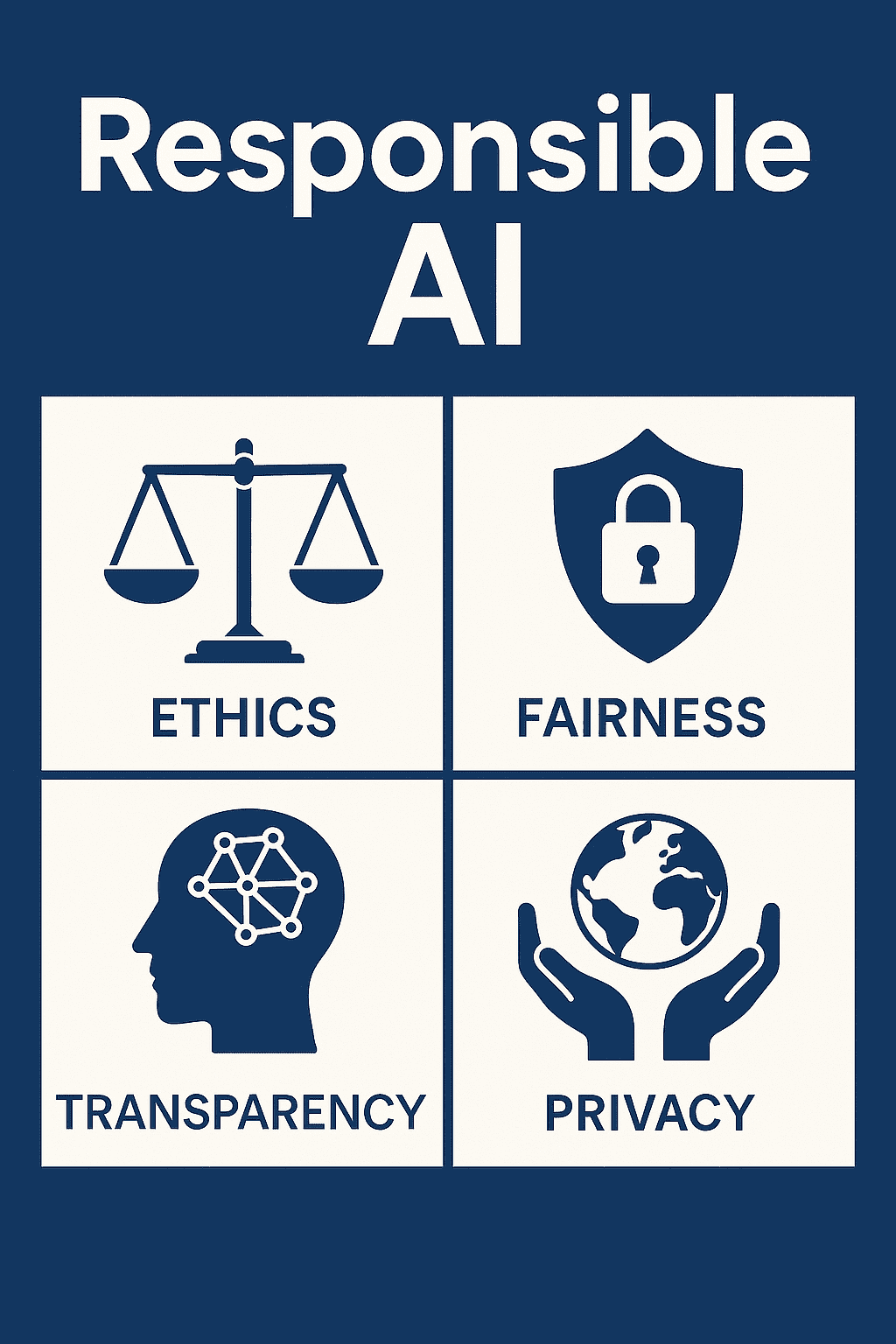
Responsible AI
Responsible AI – frameworks ensuring AI aligns with societal values. (By PiyushAI)
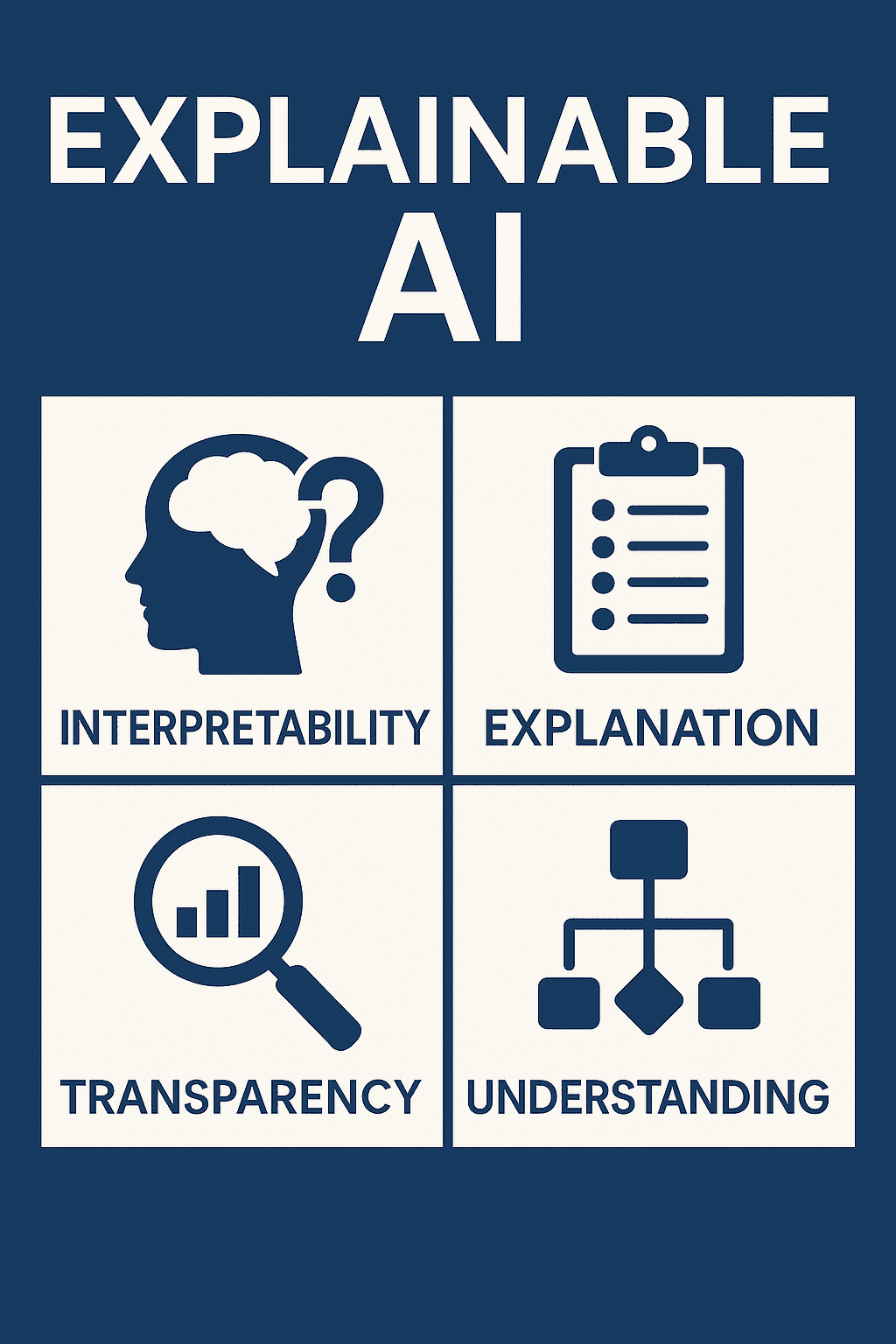
Explainable AI (XAI)
Explainable AI (XAI) – making AI decisions understandable to humans (By PiyushAI)
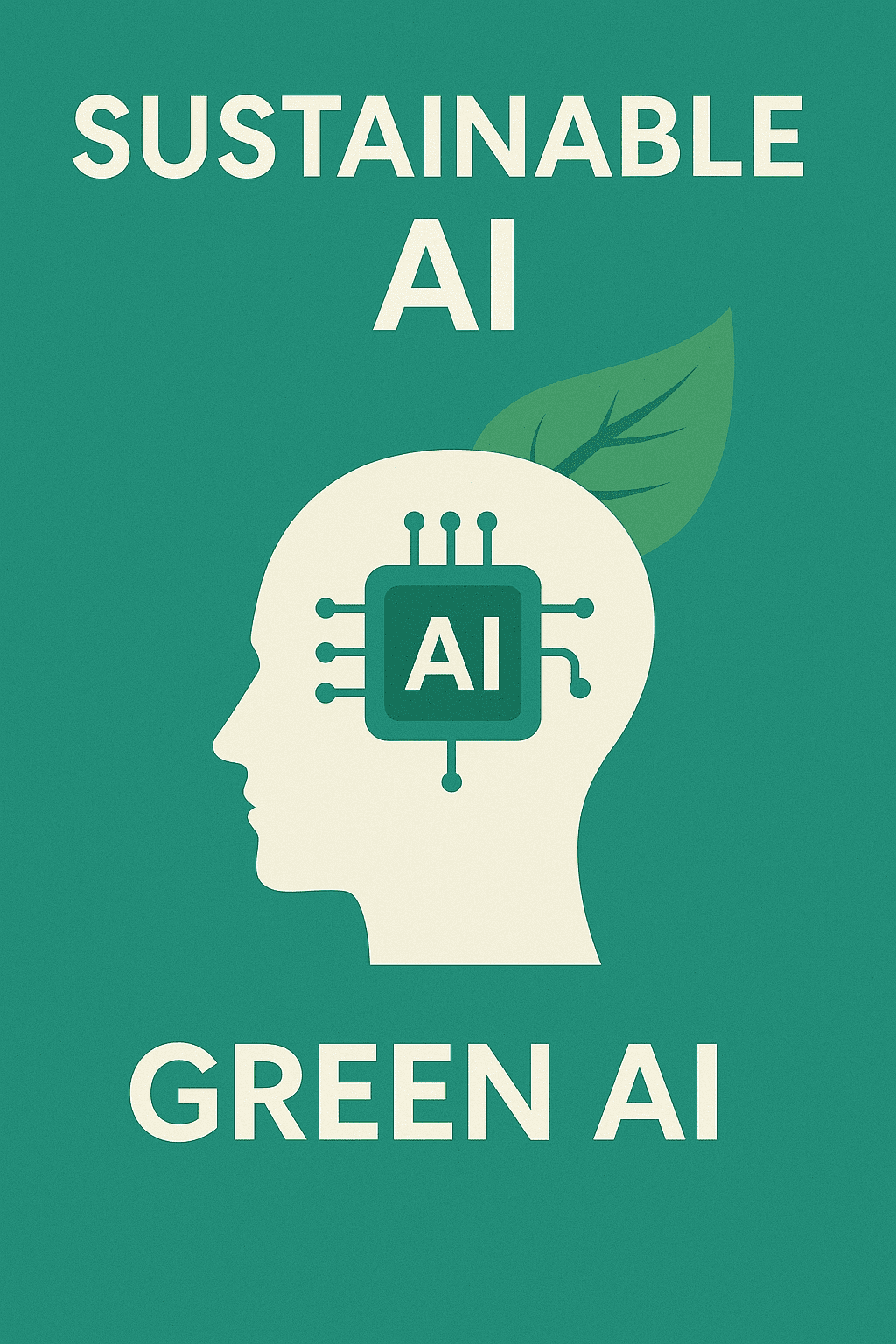
Sustainable AI / Green AI
Sustainable AI / Green AI – reducing energy usage and environmental impact. (By PiyushAI)
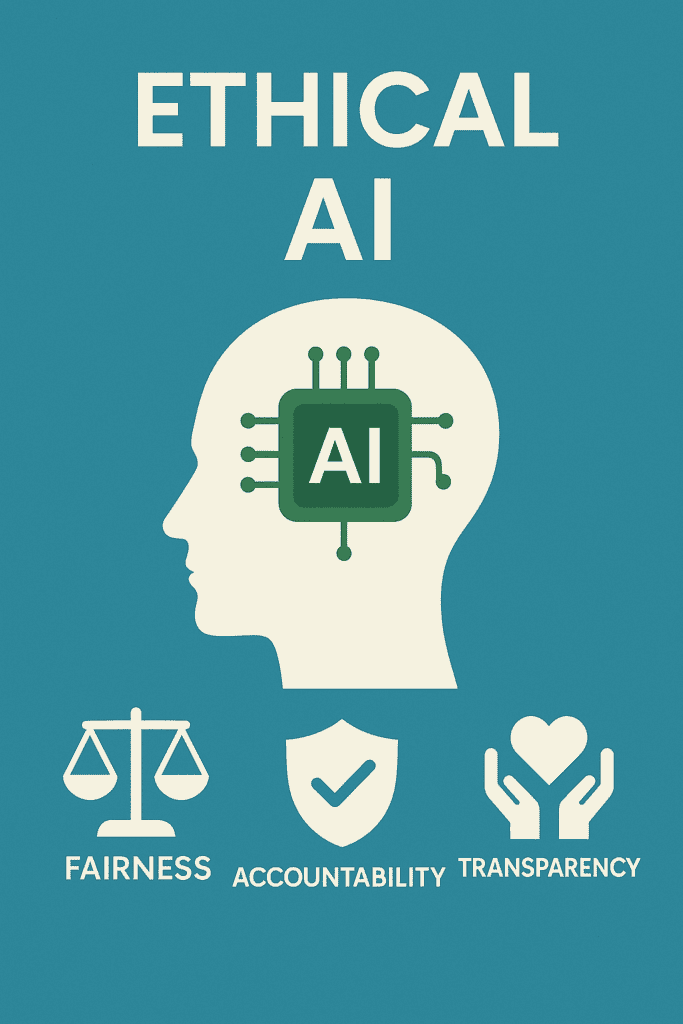
Ethical AI
Ethical AI – preventing bias, promoting fairness, justice, and equity. (By PiyushAI)
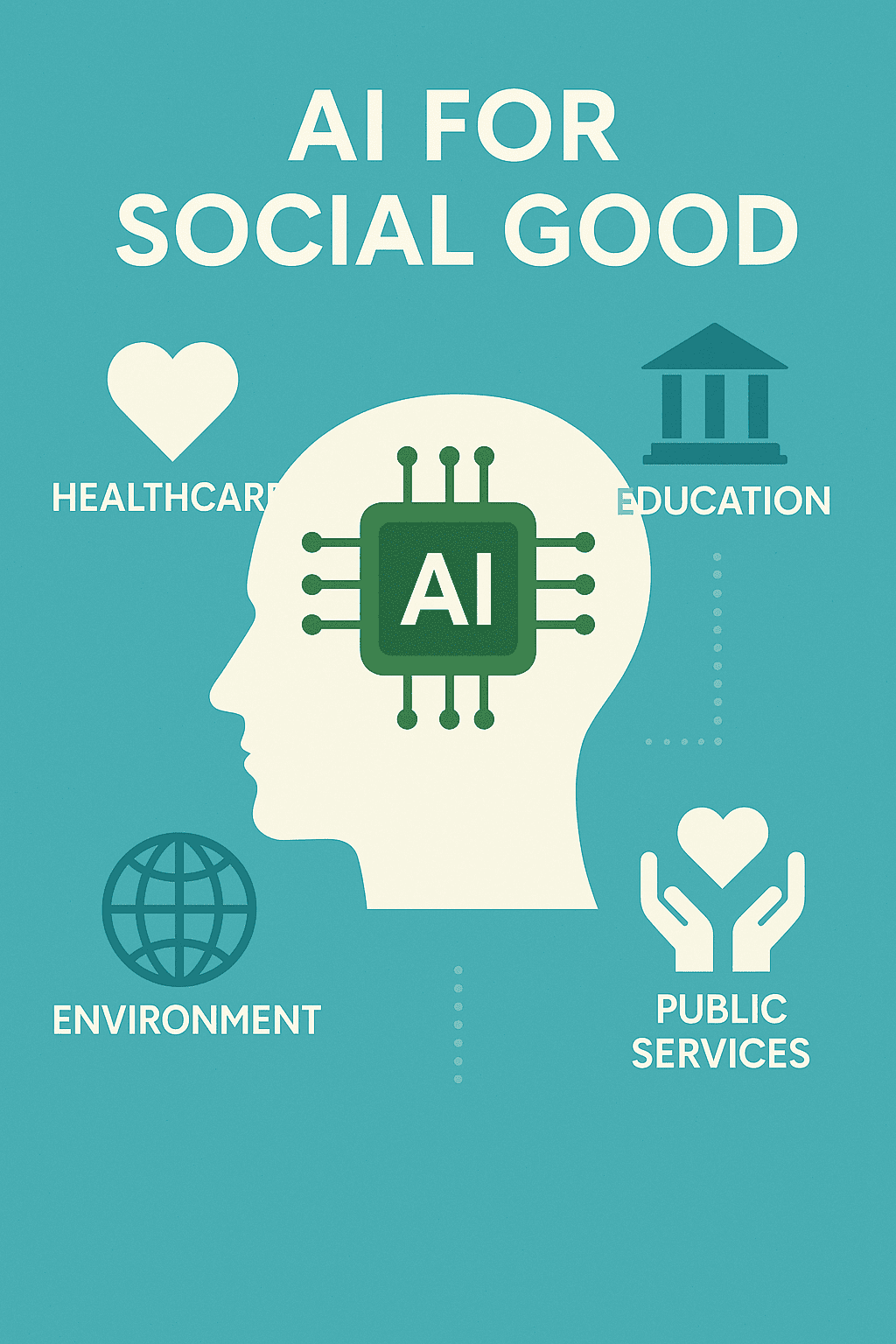
AI for Social Good
AI for Social Good – applications of AI for societal benefit. (By PiyushAI)